Myth-Busting: Common Misconceptions About Energy-Efficient Siding
JP
Understanding Energy-Efficient Siding
When it comes to home improvement, energy-efficient siding often stands out as a popular choice for homeowners looking to reduce energy bills. However, there are several myths surrounding its effectiveness and application. In this post, we aim to debunk these misconceptions and provide a clearer understanding of what energy-efficient siding can offer.
Firstly, it's important to understand what energy-efficient siding truly means. This type of siding is designed to provide better insulation, helping to maintain indoor temperatures and reduce the need for excessive heating or cooling. But not all siding is created equal, and knowing what to look for can make a big difference.
Myth 1: All Siding is Energy-Efficient
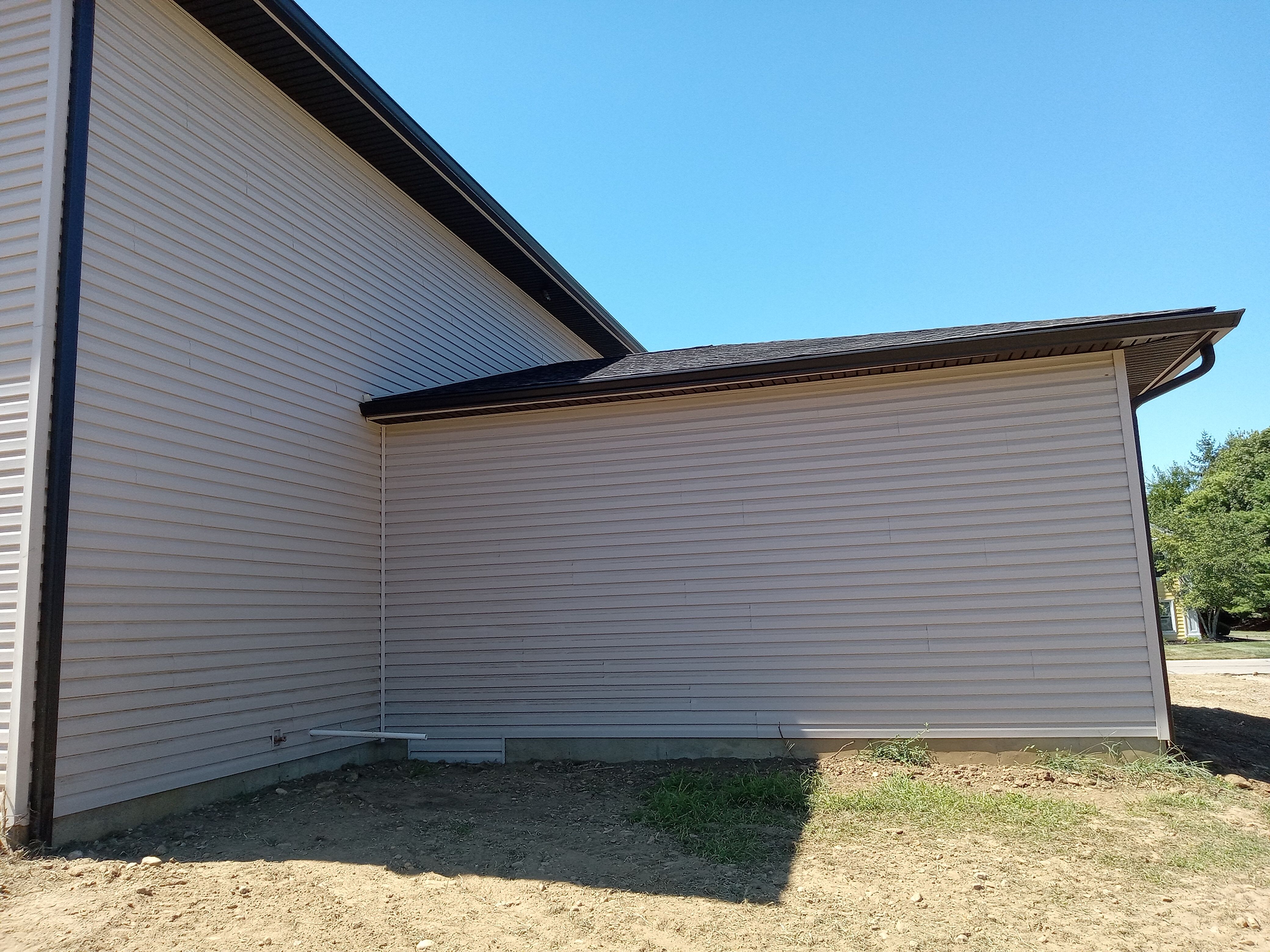
One common misconception is that all siding products offer the same level of energy efficiency. In reality, the efficiency of siding can vary greatly depending on the materials used. For instance, insulated vinyl siding typically offers better thermal performance compared to non-insulated options. It's crucial to research and choose the right type of siding that meets your specific energy-saving needs.
Some homeowners might assume that simply replacing old siding with any new option will automatically enhance energy efficiency. However, without considering factors such as insulation and material quality, the benefits may not be as significant as expected.
Myth 2: Energy-Efficient Siding is Unattractive
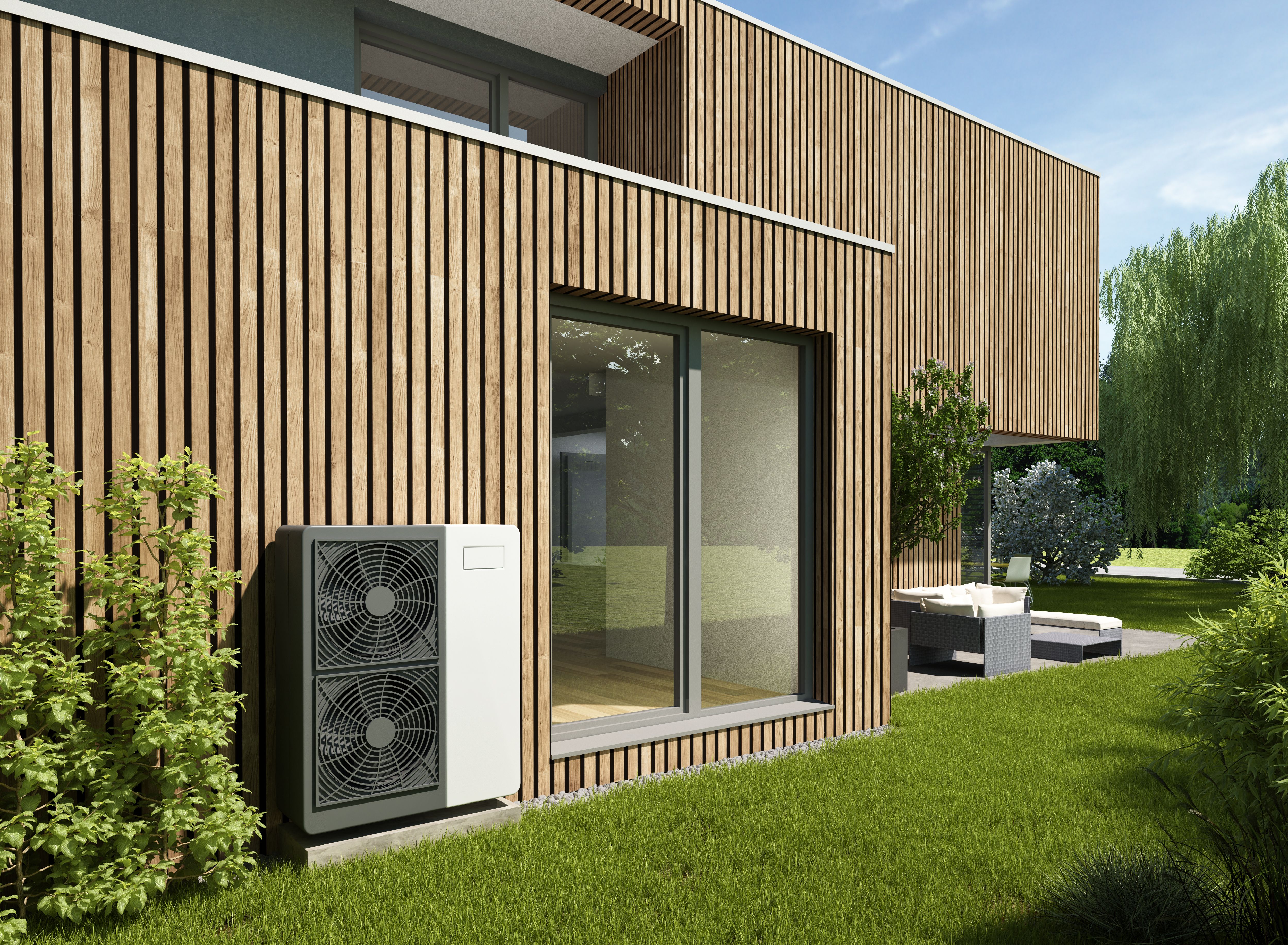
Another myth is that energy-efficient siding sacrifices aesthetics for functionality. Many people believe that opting for energy-saving materials means settling for less attractive designs. This couldn't be further from the truth. Modern energy-efficient siding comes in a wide array of styles, colors, and finishes that can complement any architectural design.
Thanks to advancements in technology, homeowners can now enjoy both energy efficiency and curb appeal. Whether you prefer the classic look of wood or the sleek finish of metal, there are energy-efficient options available to suit diverse tastes.
Myth 3: It’s Too Expensive
Cost is often a significant concern, leading many to believe that energy-efficient siding is out of their budget. While it's true that the initial investment might be higher than traditional siding, the long-term savings on energy bills can offset the upfront costs. Moreover, many manufacturers offer financing options and warranties to make these upgrades more accessible.
Investing in energy-efficient siding can also increase your home's value, providing a financial return if you decide to sell in the future. In this way, it becomes not only a cost-saving measure but also a wise investment in your property.
Myth 4: Difficult to Maintain
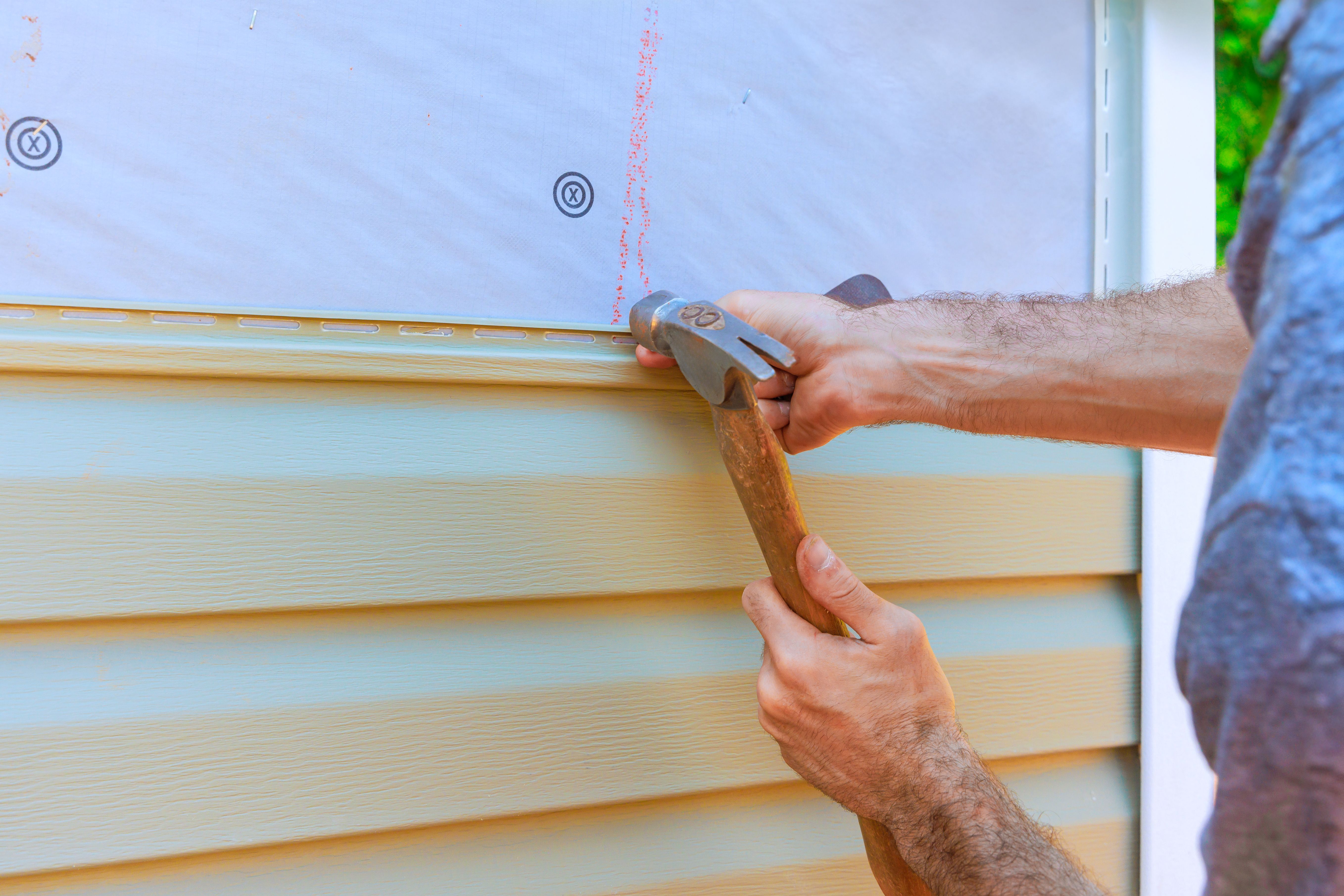
Lastly, there's a belief that energy-efficient siding requires more maintenance than standard options. In reality, many energy-efficient materials are designed to be low-maintenance. For example, insulated vinyl siding is resistant to common issues like warping, rotting, and insect damage, making it easier to care for over time.
Regular cleaning and occasional inspections are generally all that's needed to keep energy-efficient siding in top condition. By choosing the right materials, homeowners can enjoy both efficiency and ease of maintenance.
Conclusion: Making Informed Decisions
In conclusion, understanding the truths about energy-efficient siding can empower homeowners to make informed decisions that benefit their pocketbooks and the environment. By debunking these myths, we hope to encourage more people to consider this valuable home improvement option.
As always, consulting with a professional can provide further insights and help tailor choices to fit your specific needs. Embrace the benefits of energy-efficient siding without the misconceptions holding you back.